

21st Eurasian Grassland Conference
Connecting science and conservation for grassland sustainability
Sofia, 19-23 July 2026
The 21st Eurasian Grassland Conference will be held in Sofia on 19–23 July 2026, organised by the Eurasian Dry Grassland Group (EDGG), a working group of the International Association for Vegetation Science (IAVS). EDGG is devoted to research on, and conservation of, natural and semi-natural grasslands throughout the Palaearctic biogeographic realm and deals with any taxonomic group (plants/vegetation, animals or fungi). With the main theme “Connecting science and conservation for grassland sustainability”, we aim to highlight the connection of studies on grassland ecosystems with management practices and conservation goals. This year’s Eurasian Grassland Conference will be hosted by the Institute of Biodiversity and Ecosystem Research (IBER) at the Bulgarian Academy of Sciences (BAS). IBER conducts research in fundamental and applied ecology, biodiversity, nature conservation and the sustainable use of biological resources. IBER trains PhD students in the fields of botany, mycology, zoology, ecology, conservation biology and environmental genetics. IBER also provides scientific and methodological support to state institutions and NGOs.
Registration
Please fill in the registration form.
Key dates
- Early-bird registration/payment EGC: until 31 March 2026
- Standard registration/payment EGC: until 20 June 2026
- Last-minute registration/payment EGC: until 5 July 2026
- Abstract submission: until 10 May 2026
- Notification of abstract acceptance: 10 June 2026
- Registration FW: 15 April 2026
- Decision on FW application: 20 May 2026
- Payment FW: 15 June 2026
- Travel grant applications FW & EGC: 10 May 2026
- Travel grant decision: 31 May 2026
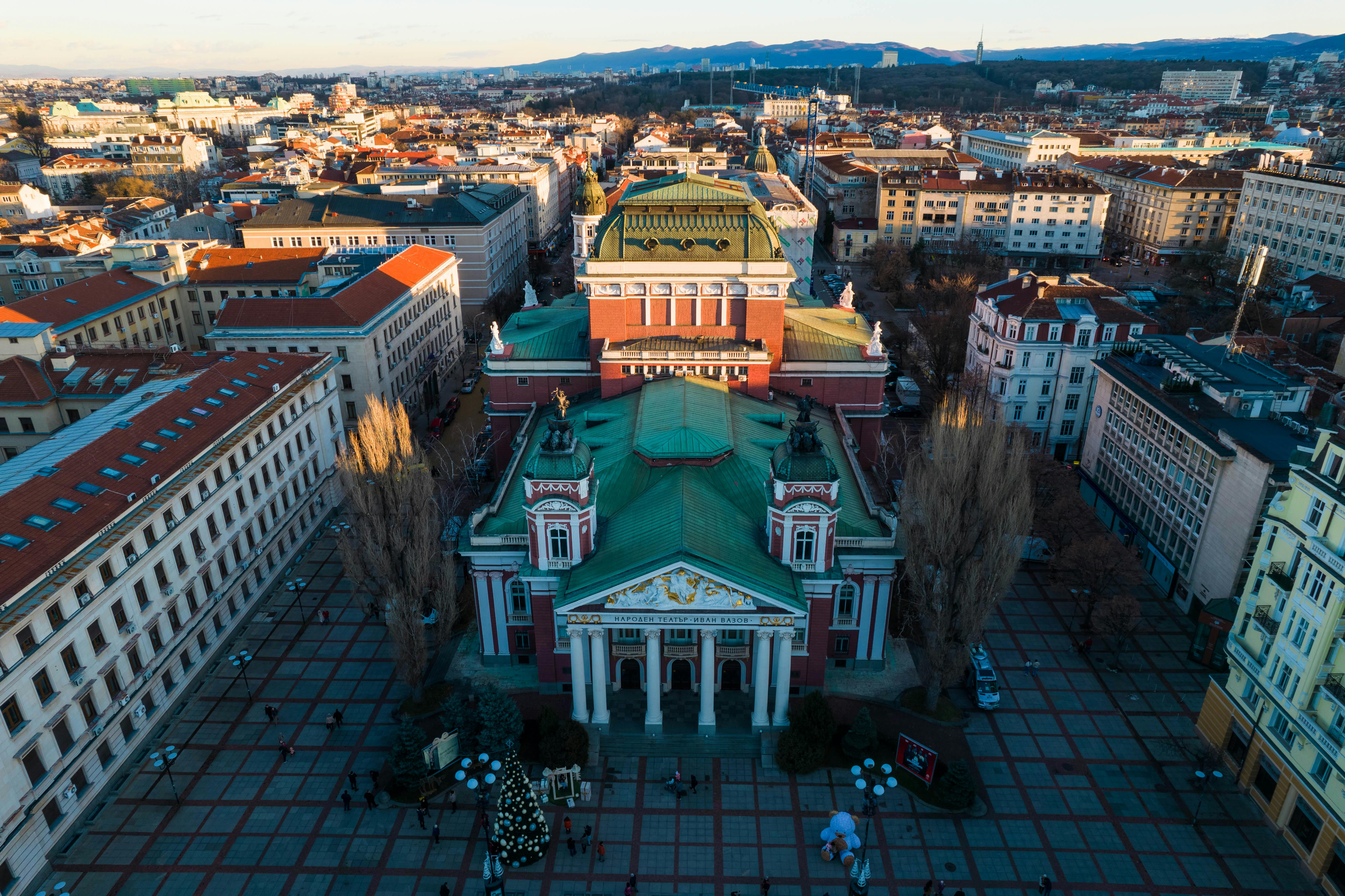
Birds Eye View of Ivan Vazov National Theater and Rooftops of Sofia in Bulgaria. Photo: Orlin Ratchev via Pexels.
Venue
The city of Sofia is the capital and largest city of Bulgaria, situated in the centre of the Balkan Peninsula, with a population of 1.5 million people. Geographically, it lies in the Sofia Valley, surrounded by the Vitosha, Lyulin, Lozenska and Balkan Mountains.
The city of Sofia has a long history, dating back to the 7th millennium BC, with a rich past as the Roman city of Serdica, the Bulgarian stronghold of Sredets, and an Ottoman provincial capital, before becoming the capital of modern Bulgaria in 1879. Today, Sofia combines vibrant culture, rich history and contemporary urban charm. One could enjoy exploring Roman ruins at the archaeological complex of Serdica, the city’s Orthodox heritage, like the Alexander Nevsky Cathedral, the 4th-century St. George Rotunda and the medieval St. Petka Temple, along with a variety of city parks, like the Borisova Garden, South Park, the City Garden in front of the National Theatre, etc.
The conference will be held at the Hemus Hotel. The hotel is located near one of the city’s largest green spaces, South Park. It is close to the European Union metro station (3–5 minutes’ walk), making it easy to reach the central part of Sofia.
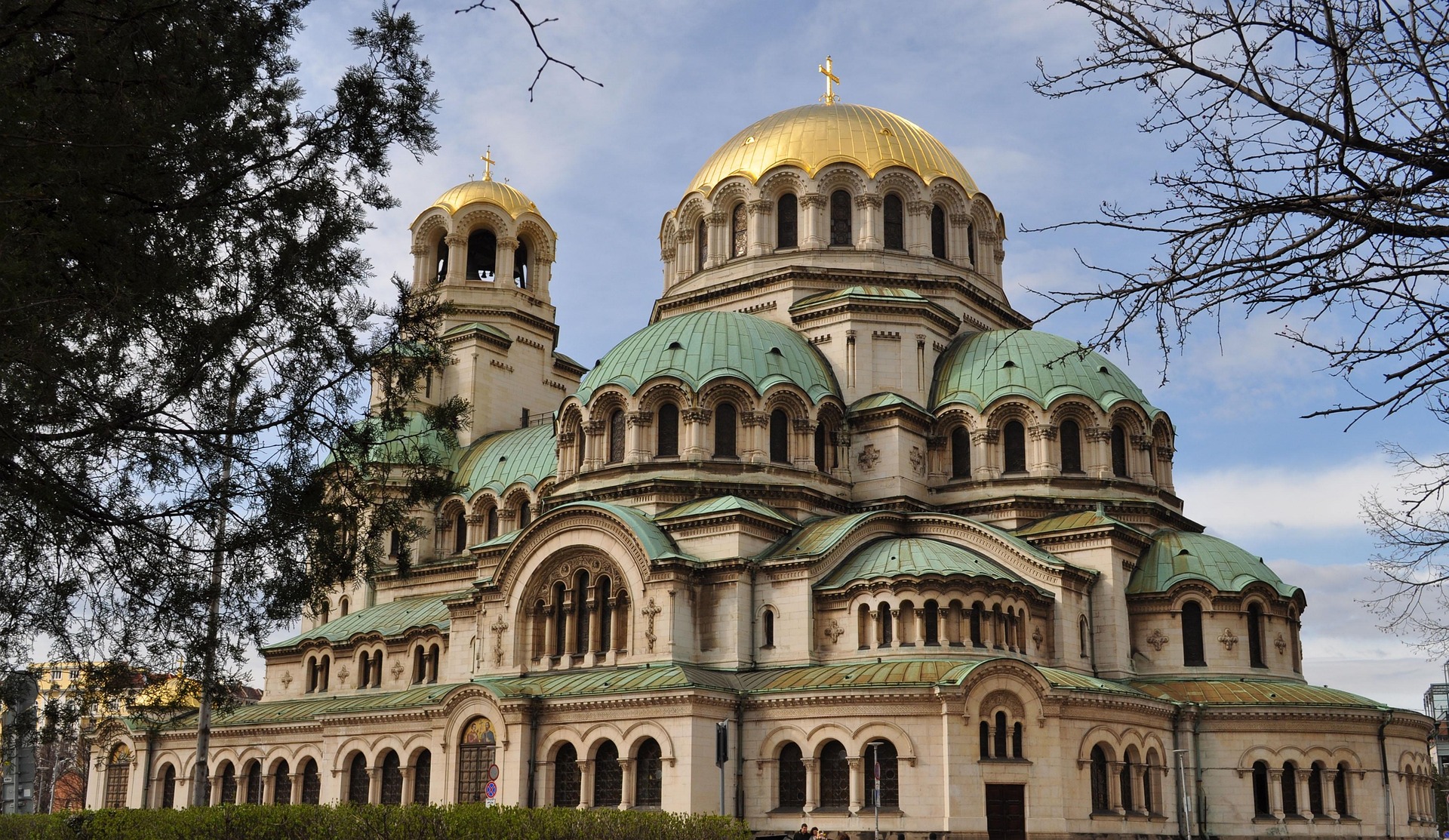
St. Alexander Nevsky Cathedral, Sofia.
Scientific Programme
Within the main theme “Connecting science and conservation for grassland sustainability”, the conference will feature seven main topics (sessions):
-
Conservation, restoration, and management of Palaearctic grasslands
-
Global change in Palaearctic grasslands
-
Patterns, classification, and biogeography of Palaearctic grasslands
-
Ecosystem functions, services, and trophic interactions
-
Animals in Palaearctic grasslands
-
Grasslands of the Balkan Peninsula
-
Innovative methods and open science in grassland research
Within each of these thematic sessions, both oral and poster contributions are welcome. Additionally, posters on any other aspect related to Palaearctic grasslands are welcome.
Keynote speakers
Each half-day of the conference will be opened with a keynote talk by a renowned grassland specialist:
-
Borys Assyov (Institute of Biodiversity and Ecosystem Research, Bulgarian Academy of Sciences, Sofia, Bulgaria): Tackling the unknown. Studying and conserving fungi in sand dunes (Ecosystem functions, services, and trophic interactions).
-
Renata Ćušterevska (Ss. Cyril and Methodius University, Skopje, North Macedonia): Grassland syntaxonomy and ecological patterns in the Central Balkans (Grasslands of the Balkan Peninsula).
-
Balázs Deák (HUN-REN Centre for Ecological Research, Hungary): Vanishing agrobiodiversity and the growing importance of small grassland fragments: the potential of Eurasian burial mounds in EU-level conservation and restoration policies (Conservation, restoration, and management of Palaearctic grasslands).
-
Iwona Dembicz (University of Warsaw, Poland): Ecological scaling laws in Palaearctic grasslands: insights from EDGG Field Workshops and the GrassPlot database (Innovative methods and open science in grassland research).
-
Jürgen Dengler (Zurich University of Applied Sciences (ZHAW), Wädenswil, Switzerland): Global change in European grasslands – insights from local to continental studies (Global change in Palaearctic grasslands).
-
Ljiljana Tomović (University of Belgrade, Serbia & Macedonian Ecological Society, Skopje, North Macedonia): Distribution and conservation of reptiles in steppe, semi-arid and high-mountain pastures in Serbia and North Macedonia (Animals in Palaearctic grasslands).
Preliminary time schedule
-
19 July (evening) – Registration, welcome reception (icebreaker)
-
20 July – Registration, opening ceremony, Day 1 of the scientific programme
-
21 July – Day 2 of the scientific programme, Grassland Party
-
22 July – Mid-conference excursion to Vitosha Nature Park
-
23 July – Day 3 of the scientific programme, EDGG Business Meeting, city tour
Applications
How to register
Please register for the conference using the online form available here. The registration fee depends on the date when both the registration form and the payment are received; please see the table below for the different fee categories and deadlines. After completing the form, please transfer the conference fee to the bank account provided below and send a copy of the transfer statement to egc2026@abv.bg. Registration is considered complete only after both the form and the payment confirmation have been received.
Contributions for the Eurasian Grassland Conference
Each participant can register up to one oral presentation and multiple poster presentations. The Scientific Committee reserves the right to change proposed oral presentations to poster presentations if there are too many registrations for oral presentations. Contributions must be registered by 10th May by sending details of the authors, title and abstract using the Word template.
| Early Bird (31/3/2026 | Regular price (20/6(2026 | Last minute (5/7/2026 | ||
| Normal price | IAVS members | €300 | €330 | €350 |
| Non-IAVS members | €350 | €380 | €400 | |
| Student | IAVS members | €250 | €280 | €330 |
| Non-IAVS members | €300 | €330 | €380 | |
| Accompanying persons | €390 | €390 | €390 |
The fee for all participants except accompanying persons, includes the conference package (1 oral & 1 poster or 2 poster presentations, as well as conference materials), food (refreshments in the breaks & lunches on conference days, Welcome reception (Icebreaker), Grassland Party), city tour, mid-excursion.
For accompanying persons, the fee includes all of the above except the conference package.
Payment
The registration fees should be paid through bank transfer to the following account before the given deadline (see above):
Transfer to: Institute of Biodiversity and Ecosystem Research
Purpose of payment: “23rd FW 2026 - Sofia, fee Given name, Family name” or “EA Grassland Conf. 2026 - Sofia, fee Given name, Family name”.
Example: “EA Grassland Conf. 2026 – Sofia, fee Kiril VASSILEV” or “23rd FW 2026 – Sofia, fee Kiril VASSILEV”
It is possible to make one transfer for both events (23rd EDGG Field Workshop & Eurasian Grassland Conference 2026). In this case the purpose for payment should be “EA Grass. Conf. 2026 & 23rd EDGG FW, Sofia).
IBAN: BG44UNCR96603120718711
SWIFT: UNCRBGSF
UNICREDIT BULBANK, BC-BATENBERG, Sofia Bulgaria
Participants in the Field Workshop should send a copy of the bank transfer receipt to kiril5914@abv.bg (Kiril Vassilev – local organizer).
Participants should send a copy of the bank transfer statement to the conference e-mail egc2026@abv.bg.
Travel grants
Thanks to IAVS, the mother organisation of EDGG, we can offer a limited number of travel grants to IAVS members who participate in our events in Bulgaria (both or just one event). Travel grants are meant to give financial support to participants with financial constraints who make an important contribution to the events and possibly to the EDGG in general. Only persons who are IAVS members in 2026 are eligible (but IAVS membership fees are generally very low and various groups of people can even join for free). Only people travelling to/from Sofia in an environmentally friendly manner (i.e. bus, train or ferry) or flights if the distance is > 1500 km, can apply to additionally cover the travel costs.
An ad hoc committee from the EDGG Executive Committee and the local organisers will evaluate the travel grant applications. Priority will be given to the following groups of people:
- Students or applicants from low-income countries
- Applicants who contributed actively to the management of EDGG in recent years or are involved in the organisation of the events in Sofia (e.g. session chairs, scientific committee, General Assembly)
- Participants of the Eurasian Grassland Conference who submitted a convincing abstract for an oral or poster contribution (as presenting person)
- Participants of the Field Workshop who contribute with taxonomic expertise in bryophytes or lichens, are willing to analyse the soil samples or to organise a Field Workshop within the next few years.
The application for travel grants should be submitted via our online form by 10 May 2026. The notification about the travel grant decision will be communicated within one month after the application deadline.
IAVS support for Ukrainian scientists
In addition to the travel grants, IAVS will cover the cost of the registration fees of Ukrainian IAVS members. The respective fees are paid directly by the IAVS to the local organising committee. Additionally, Ukrainian participants can apply for travel grants to cover the costs of their travel and accommodation.
Travelling to and in Sofia & accommodation
How to reach Sofia and the venues
Sofia is easily accessible from many European cities by bus/train, or via plane, arriving at Vasil Levski Sofia Airport (SOF). Several companies offer low-cost overland connections or flights. The international bus and train stations are also well connected to the city center by metro or bus/tram. The airport is only 10 km from the city center.
The venue of the conference will be Hemus Hotel (Sofia 1421, 25 Cherni vrah Blvd)
Directions from Sofia International Airport (Terminal 2)
1. Exit the airport building and turn left. Walk for 1–2 minutes until you reach Sofia Airport Metro Station.
2. Enter the station and pay €0.82 by tapping your bank card at the entrance gates or by purchasing a ticket from the vending machines.
3. Take the Metro in the direction of Slivnitsa Station.
4. Travel for approximately 28 minutes (12 stops) and get off at Serdika Station.
5. Get of the train and look for signs leading you to where you change Metro lines and change to the blue M2 line in Vitosha direction.
6. Then travel for 4 minutes (2 stops) and get off Europeon Union (Evropeyski Sayuz) Metro Station.
7. The hotel is across the street from the Metro station, 90 m away.
Directions from the Central Railway Station
8. Exit the railway station and walk straight through the underpass.
9. Follow the signs to the Central Railway Metro Station
10. Get on the M2 blue line in Vitosha direction and travel for 8 mins (4 stops) until you get to European Union Metro Station.
11. Get off the Metro and exit the Station. The Hemus hotel is right across the street, 90 m. away.
Moving around in Sofia
Sofia's public transport system is reliable and cheap: metro, trams, trolleys, buses.
Payment: Tap a debit/credit card at the POS terminal for a single travel ticket (€ 0.82).
Daily Cap: The maximum charge per day is € 2.04 (the cost of a day card), activated after the third public transport POS terminal single registration (excluding night buses). For more information about the Sofia public transport prices, see link.
Navigation: Use the Movit app or Google Maps for routes.
If you prefer driving, consider using Spark, a short-term car rental service that offers flexibility without the hassle of lengthy contracts. Keep in mind that the city center operates on a zoned parking system.
Accommodation in Sofia
There is a diverse range of hotel accommodation available within easy reach of the city center at reasonable prices. Participants, who choose accommodation in the hotel of the conference (Hotel Hemus) can take advantage of a discount (single room – 37€, double room – 44€ (no breakfast included); single room – 47€, double room – 64€ (with breakfast included)). To make your reservation, please send an email to marketing@hemushotels.com, mentioning as the purpose of the reservation “EA Grassland Conf. 2026 – Sofia”. For more information you can also use the reception telephone + 359 2 816 5000.
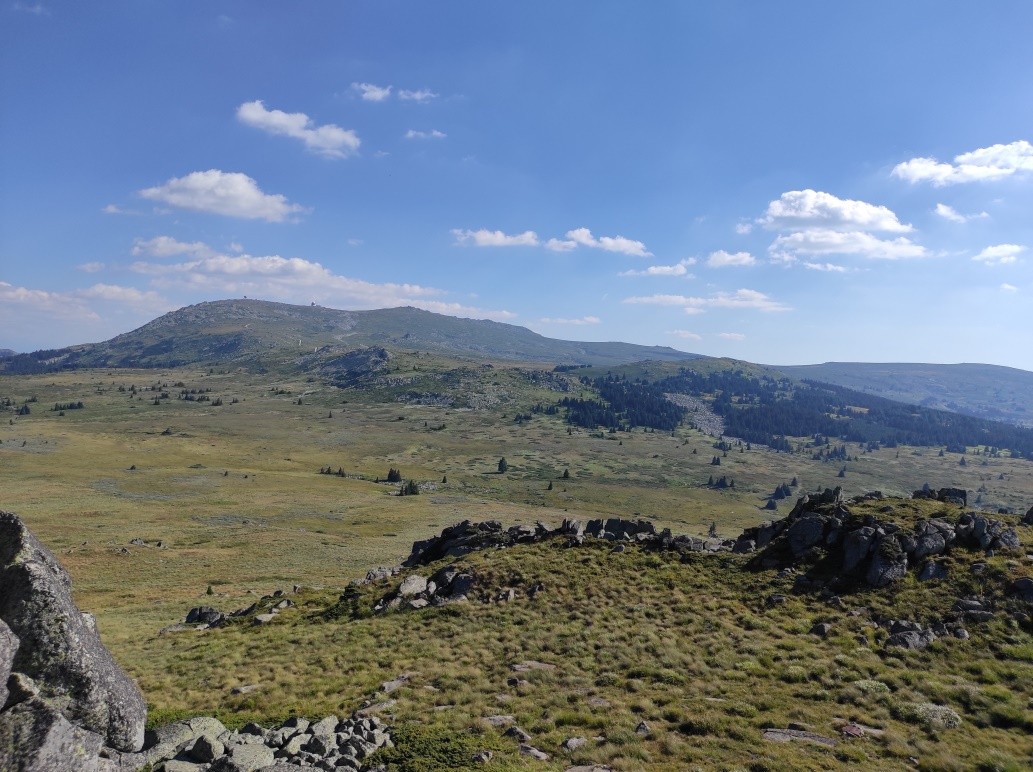
Vitosha Nature Park - the venue for the mid-conference excursion.
Pre-conference Field Workshop
This Field Workshop will take place from 14–18th July in the Pirin Mts., Southern Bulgaria. It will start and end in Sofia. Thus participation in both EDGG events is conveniently possible, with a one day break in between. For more details, please refer to the dedicated page.
Mid-conference excursion
The mid-conference excursion will take place in Vitosha Nature Park and Natura 2000 SCI Vitosha (BG0000113), Vitosha Mt. Vitosha Nature Park is located in the immediate vicinity of the capital city Sofia and is the oldest nature park on the Balkan Peninsula (founded in 1934, with an area of over 270 km²). It also falls within the boundaries of the Natura 2000 network of Bulgaria.
Vitosha Nature Park includes two nature reserves: Bistrishko Branishte and Torfeno Branishte. During the excursion, we will experience the beautiful landscape of the Torfeno Branishte Reserve, composed of diverse meadow, scrub and mire ecosystems.
Vitosha Mountain is characterised by a rich and diverse flora, vegetation and natural habitats, forming five altitudinal vegetation zones, including deciduous and coniferous forests and subalpine vegetation:
-
Xerothermic oak forest zone (up to about 650 m a.s.l.)
-
Meso-xerophytic zone of oak and hornbeam forests (between 650 and 800 m a.s.l.)
-
Beech zone (between 800 and 1600 m a.s.l.)
-
Coniferous zone (between 1600 and 1800–1900 m a.s.l.)
-
Subalpine sparse forest and scrublands of dwarf pine and juniper (between 1900 and 2290 m a.s.l.)
Within the mountain's borders, 528 species of algae, 326 bryophytes, 369 lichenised fungi, 664 other macrofungi, and approximately 1859 vascular plants have been recorded. Eighty-four of these have conservation status, of which 59 are included in the Red Book of Bulgaria (14 “Endangered” and 45 “Vulnerable”). The endemic species are represented by 19 Bulgarian and 71 Balkan endemics (such as Pinus peuce, Alchemilla bulgarica, Acer heldreichii, Aquilegia aurea, Sempervivum velenovskyi, Angelica pancicii, Senecio pancicii, etc.).
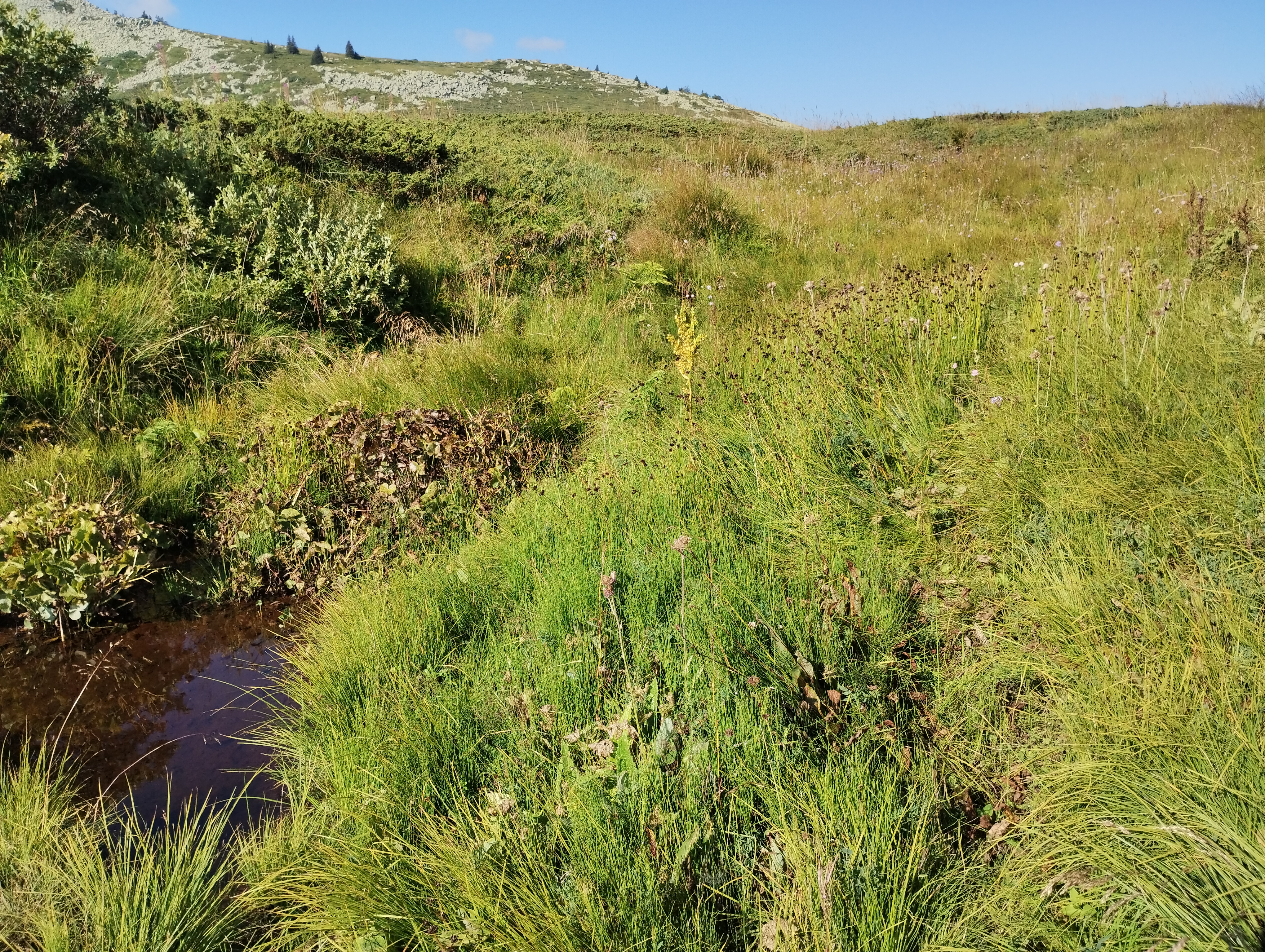
Torfeno Branishte Nature Reserve in the Vitosha Nature Park. Photo: N. Velev.
The xerothermic and meso-xerothermic oak forests cover significant areas of the mountain and are heavily influenced by anthropogenic activity. Their composition includes various species of oak (Quercus pubescens, Q. cerris, Q. daleschampii), as well as Carpinus betulus, C. orientalis, Acer campestre and Fraxinus ornus. Quercus daleschampii forms more significant stands in the upper part of this zone. The predominant part of these forests is of coppice origin.
The beech forest zone has a homogeneous species composition. Apart from Fagus sylvatica, other frequently encountered species are Acer campestre, A. pseudoplatanus, Tilia platyphyllos, Quercus daleschampii and Carpinus betulus. The coniferous forests occupy barely 5% of the park's area and are primarily composed of Norway spruce (Picea abies). The subalpine zone develops above the treeline and is formed by scrub communities of various blueberry species (Vaccinium myrtillus, V. arctostaphyllus), Bruckenthalia spiculifolia and Juniperus sibirica, along with grass-dominated phytocoenoses, typically featuring Sesleria comosa, Nardus stricta and Festuca valida. Mire ecosystems are found in the subalpine zone of the mountain, with significant portions of them falling within the two reserves. Their composition includes phytocoenoses dominated by Deschampsia caespitosa, Molinia caerulea, Carex nigra, C. acuta, and various peat mosses (Sphagnum spp.).
During the mid-conference excursion, we will visit the meadow, scrub, and mire ecosystems within the Torfeno Branishte Reserve (the “Peat Reserve”). It is characterised by high species diversity. Widely distributed species include Geum coccineum, Parnassia palustris, Gentiana nivalis, Saxifraga stellaris, Caltha palustris, Ranunculus montanus, Carex echinata, C. nigra, Cardamine rivularis and Dactylorhiza cordigera. Amongst the rare representatives of plants are two insectivorous species: Pinguicula balcanica and Drosera rotundifolia. There are also the Balkan endemics Angelica pancicii, Senecio pancicii and Pseudorchis frivaldii, as well as the Bulgarian endemic Primula farinosa subsp. exigua. A total of 12 species from the flora of Torfeno Branishte Reserve are included in the Red Book of Bulgaria under the “Vulnerable” category, including Leontodon rilaense, Utricularia minor, Potentilla palustris and Menyanthes trifoliata.
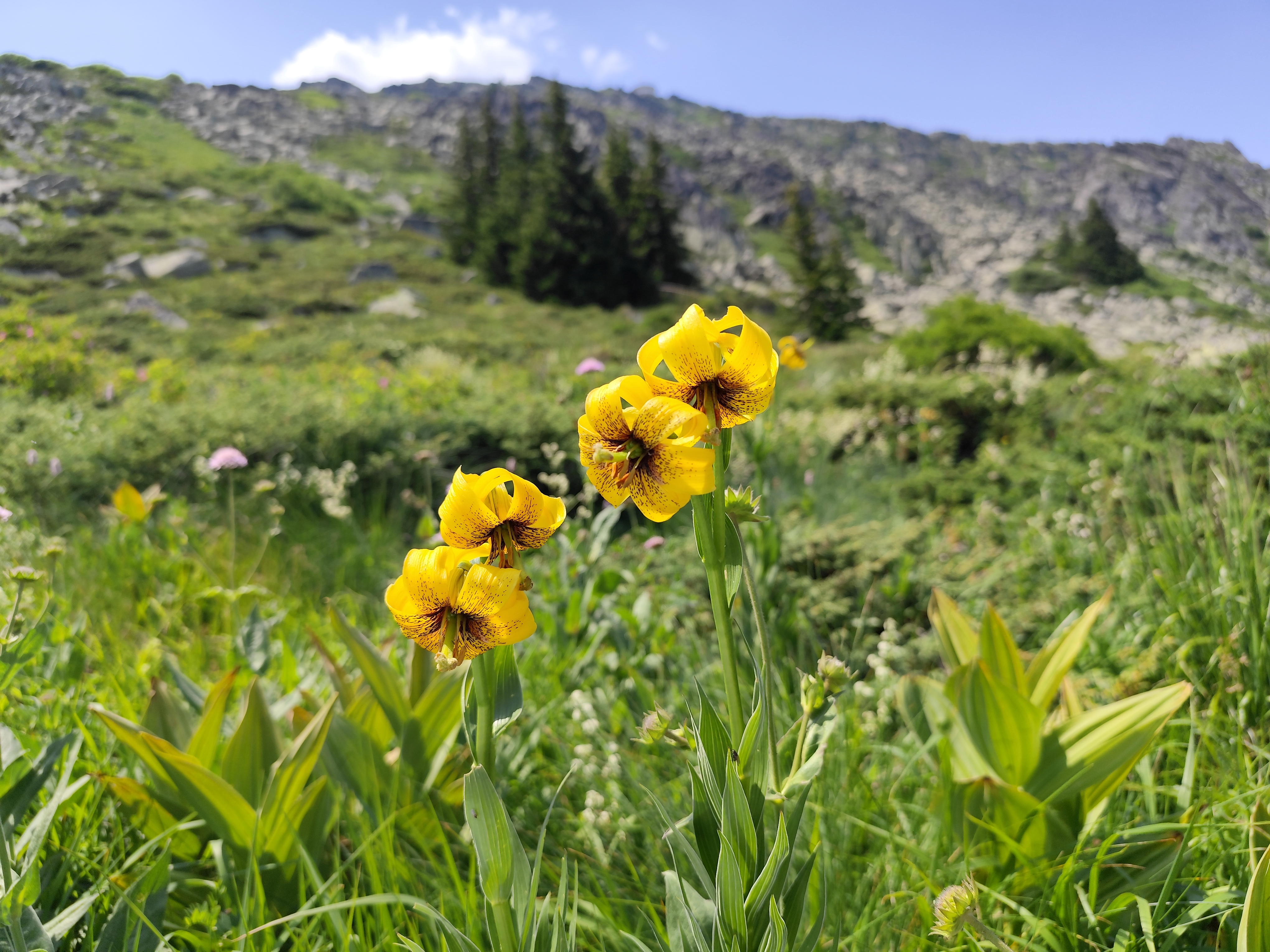
Lilium jankae, Vitosha Mt. Photo: B. Assyov.
Accommodation in Sofia
There is a diverse range of hotel accommodation available within easy reach of the city centre at reasonable prices. Participants who choose accommodation at the conference hotel (Hotel Hemus) can take advantage of a discount:
- No breakfast included: single room – €37, double room – €44
- With breakfast included: single room – €47, double room – €64
To make your reservation, please send an email to marketing@hemushotels.com, mentioning the purpose of the reservation as: “EA Grassland Conf. 2026 – Sofia”. For more information, you can also contact the reception by phone: +359 2 816 5000.
Organisation and support of the conference
Organising committee: Kiril Vassilev, Iva Apostolova, Nikolay Velev, Desislava Sopotlieva, Magdalena Valcheva, Tsvetelina Terziyska, Beloslava Genova, Lyubka Dancheva.
Scientific committee: Kiril Vassilev (Bulgaria), Iva Apostolova (Bulgaria), Nikolay Velev (Bulgaria), Desislava Sopotlieva (Bulgaria), Borys Assyov (Bulgaria), Jürgen Dengler (Switzerland), Denys Vynokurov (Ukraine, Germany), Stephen Venn (Finland), Idoia Biurrun (Spain), Rocco Labadessa (Italy).
Conference Sponsor
Pensoft is an independent academic publishing company, well known worldwide for its novel cutting-edge publishing tools, workflows and methods for text and data publishing. Pensoft publishes nearly 100 international journals, more than 800 book titles and conference materials. Pensoft publishes exclusively open access (OA) and is a strong protagonist in the open access movement. Pensoft publishes OA journals for various academic societies and institutions, including Vegetation Classification and Survey (VCS), one of the three official journals of IAVS, the mother organisation of EDGG. The company is involved in various research and technology projects to which it provides services in science communication, dissemination of research results, web and graphic design, organisation of events and others. Pensoft supports the Eurasian Grassland Conference in various ways and will be present with an information booth.
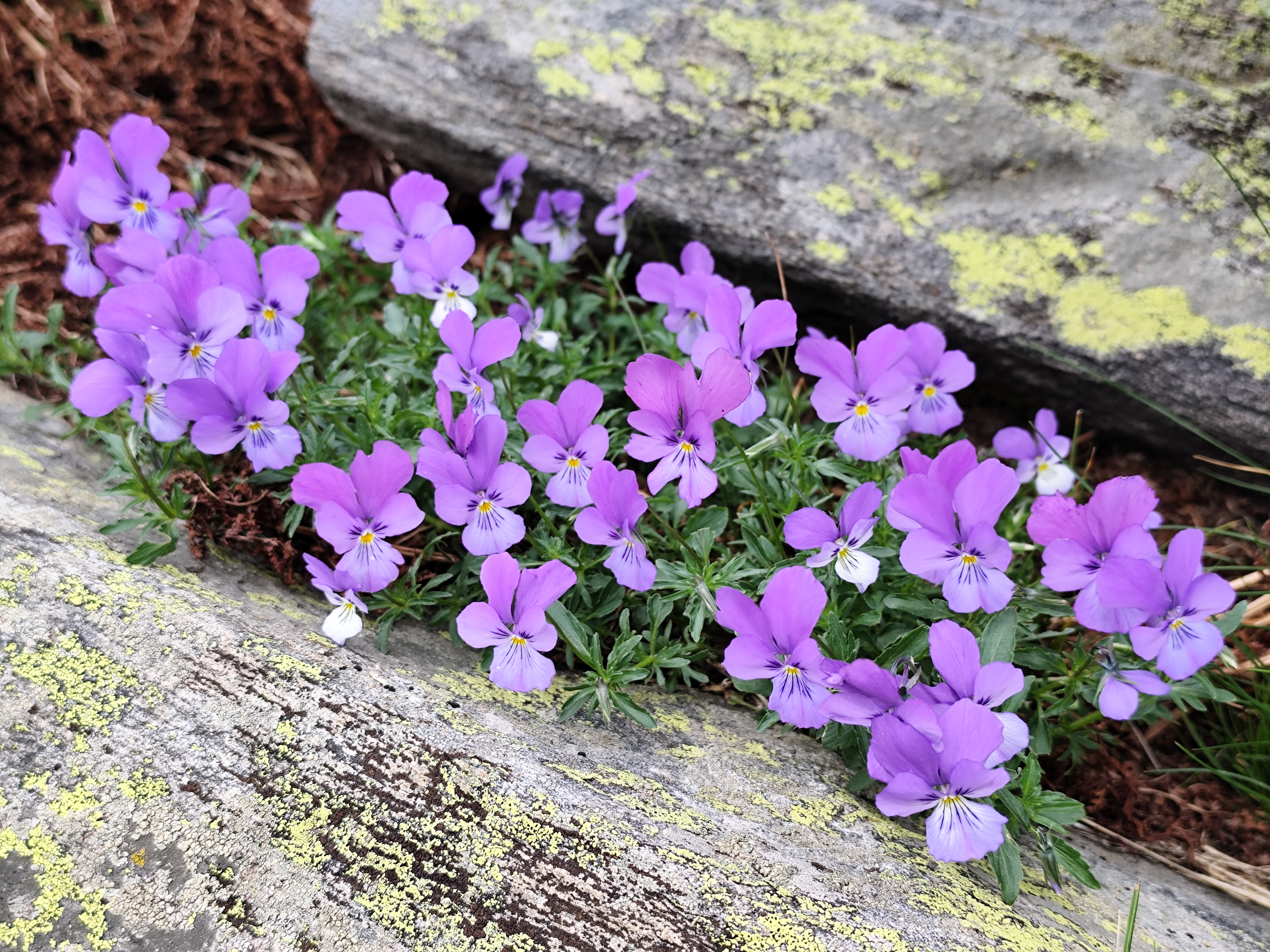
Viola dacica, Vitosha Mt. Photo: B. Assyov.